Published
- 3 min read
Bangladeshi Style Kacchi Biriyani
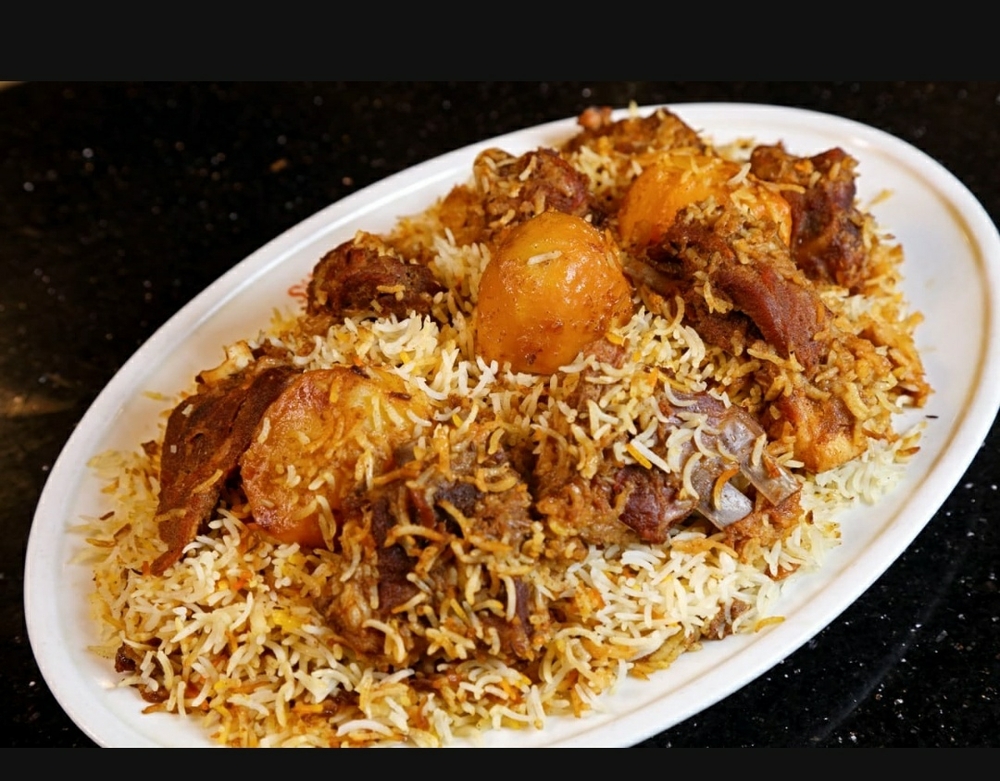
Bangladeshi Kacchi Biryani is a rich, aromatic rice dish made with marinated raw mutton, fragrant basmati rice, and a blend of warm spices, all slow-cooked together to perfection. Traditionally served at weddings and festivals, it’s a true celebration of flavor and heritage.
Info
- Prep Time: About 1 Day
- Cooking Time: About 3 Hours
- Servings: 6-7 People
Ingredients for Meat Marination
- Red meat with fat and bones – 1 kg
- Curd/Plain Yogurt – 1/4 cup
- Shredded Fried Onion (Beresta) – 1 lb of onion needs to be fried
- Ginger Paste – 2 tablespoons
- Garlic Paste – 2 tablespoons
- Biryani Masala – 1 pack of any readymade biryani masala (National, Shan, etc.)
- Extra Biryani Masala for Bangladeshi flavor:
- Whole Coriander – 1 tablespoon
- Whole Cumin – 1/2 tablespoon
- Mace (Joyotri) – 1/4 of one flower
- Star Anise – 1/2 piece
- Nutmeg – 1/2 teaspoon
- Caraway Seeds (Shahi Jira) – 1 teaspoon
- Tailed Pepper (Kabab Chini) – 1 teaspoon
(Toast them lightly in a pan, then grind into powder.)
- Cooking Oil – 1/4 cup
- Tomato Ketchup – 1 tablespoon
- Mint and Coriander Leaves – 1 tablespoon
- Salt – NO SALT is needed for marination, as it will cause the meat to release water also biriyani Masala pack contains salt.
Meat Marination Procedure
Mix all the ingredients in a large bowl. Light a piece of charcoal, place a few drops of ghee on it, and set it in a small heatproof bowl. Place this bowl inside the marinated meat bowl, cover it tightly, and let it sit for 10–15 minutes to infuse a smoky flavor. After 10 minutes, remove the charcoal, gently press down on the marinated meat with a spatula, cover properly, and refrigerate overnight for thorough marination.
Other Ingredients
- Basmati Rice – 900 gm
- Potato – 5 medium-sized (cut in half, marinated with a bit of salt and orange food color, then fried)
- Dried Plum (Alu Bokhara) – 8–9 pieces
- Shredded Fried Onion (Beresta) – 1.5 lbs of onion needs to be fried
- Khoya Mawa (dried evaporated milk solids) – 1 cup, shredded
- Whole Green Chilies – 7–8 pieces
- Milk + Food Color Mixture – 1/4 cup liquid milk mixed with food color
- Ghee – 2–3 tablespoons
Layering Preparation
Have the following items ready on the table before you start layering:
- Marinated meat at room temperature (take it out of the refrigerator at least 2 hours before cooking)
- Fried potatoes
- Dried plums
- Beresta
- Shredded khoya mawa
- Green chilies
- Ghee
- Milk + food color mixture
Once the half-cooked rice is ready, you’ll need to layer everything quickly while the rice is still hot.
Rice Preparation
- Wash the rice thoroughly and soak it for a while.
- Meanwhile, bring water to a boil.
- Add the soaked rice along with salt, cardamom, bay leaves, and shahi jira.
- Stir occasionally. When the rice starts floating to the surface and the water reaches a rolling boil, turn off the heat. This ensures the rice is 60–70% cooked.
- Strain the rice and set it aside.
Layering Instructions
- Place all the marinated meat (add a bit of salt, as the biryani masala already contains salt) tightly at the bottom of the pot, making sure there are no gaps. This prevents mixing of meat and rice layers.
- Spread shredded khoya mawa, half of the beresta, and green chilies evenly over the meat.
- Add a layer of half-cooked rice just to cover the meat.
- Place fried potatoes on top.
- Sprinkle the remaining beresta and dried plums.
- Finally, add the rest of the half-cooked rice as the top layer.
Do not add beresta to this final layer—it may burn. - Drizzle the milk + food color mixture over the top layer.
- Drizzle the ghee evenly.
- Seal the pot using flour dough to make it airtight.
Cooking Instructions (Electric Oven)
- Preheat oven to 400°F.
- Cook at 400°F for 40–50 minutes, or until the aroma starts to release.
- Reduce temperature to 360°F and cook for 30–40 minutes.
- Then reduce to 300°F and cook for 45 minutes.
- Lower to 260°F and cook for another 30–40 minutes.
- Finally, cook at 200°F for 1 hour.
💡 Total Cooking Time:
- For mutton: ~3 hours
- For beef: ~4 hours